Prime Minister's Office

The Prime Minister's Office carries out official duties of the Prime Minister of the Democratic Socialist Republic of Sri Lanka and provides necessary guidance, coordination facilities and leadership to achieve economic and social development goals in accordance with the government policies.

Moreover, the Prime Minister’s Office provides necessary leadership and guidance to fulfill the aspirations of people while standing by the side of them in the hour of need with great enthusiasm and commitment. It provides regular assistance in policy making and also necessary contribution, guidance and coordination through a people centered approach to achieve Sustainable Development Goals (SDG). It plays a crucial role in maintaining diplomatic relationships and international relations, through facilitating negotiations, conducting high level diplomacy with foreign leaders, countries, states and representatives and coordinating the efforts of various government agencies and departments involved in foreign affairs.

Vision

“An independent, sovereign and prosperous Sri Lanka”

Mission

“To provide the necessary leadership for an excellent government mechanism with good governance, maintaining an effective coordination between States, Foreign missions, United Nations and Non-Governmental institutions in order to realize the aspirations of the Sri Lankans and improve their quality of life”

The National Strategic Action Plan to monitor and combat human trafficking (2026-2030) was officially launched.

The Prime Minister Dr. Harini Amarasuriya participated in the official launch of the National Strategic Action Plan to monitor and combat human trafficking (2026-2030) held on 28th of January at the Cinnamon Life Hotel, Colombo. The event was jointly organized by the Ministry of Defence, National Anti Human Trafficking Task Force ( NAHTTF), International Organization for Migration (IOM).

This five-year Action Plan was unveiled under the leadership of the Ministry of Defence, in its capacity as Chair of the NAHTTF and with the technical support from the International Organization for Migration (IOM). The National Strategic Action Plan 2026-2030 establishes a unified national framework to prevent human trafficking, protect and assist victims, strengthen law enforcement responses, and enhance accountability.

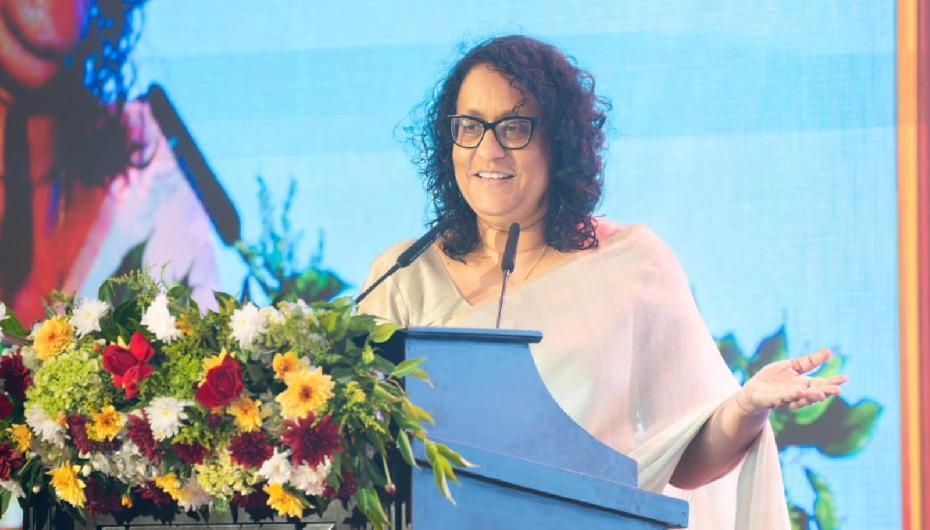
Addressing the event, the Prime Minister reaffirmed the Government’s commitment to strengthening national efforts to prevent and address human trafficking and stated that the Action Plan must transcend its symbolic launch into concrete, coordinated, and sustained implementation.

The Prime Minister also noted that the launch of the National Strategic Action Plan is timely, as it operationalizes the four internationally recognized pillars of the anti-trafficking framework namely prevention, protection, prosecution, and partnership.

The Prime Minister further stated,

Caring for trafficking survivors in Sri Lanka requires a holistic, gender-sensitive, and survivor-centered approach that addresses both immediate protection and long-term recovery. This includes safe shelter, medical care, and trauma-informed psychological support, with particular attention to women and girls who experience more severe and gendered forms of violence, alongside legal assistance, economic empowerment, and skills development to prevent re-trafficking.

Human trafficking is a structural and social challenge that requires sustained, multi-sectoral action. Ministries and government agencies must embed anti-trafficking priorities into their core strategies and day-to-day operations, ensuring institutional integration and professional accountability.

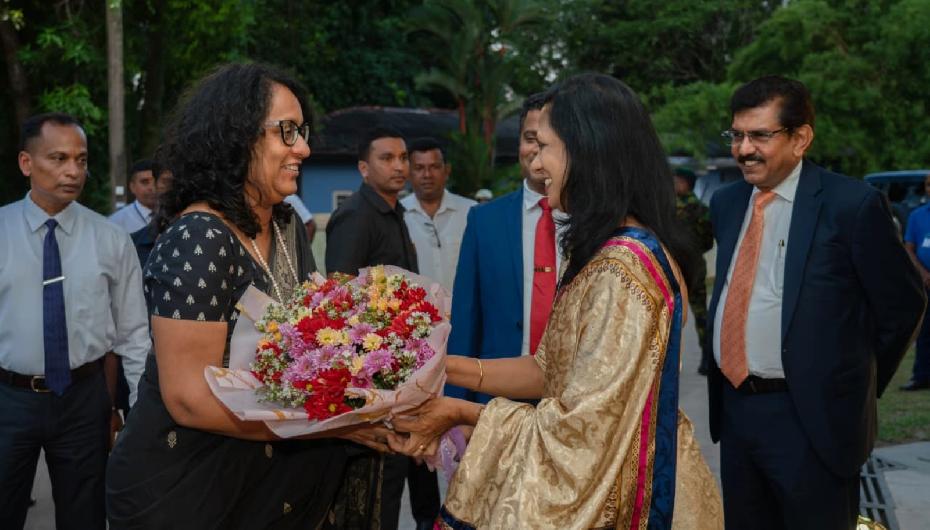
The event was also attended by Parinda Ranasinghe Jnr, PC, Attorney General of the Democratic Socialist Republic of Sri Lanka, the Secretary to the Ministry of Defence and Chair of the NAHTTF, Air Vice Marshal Sampath Thuyacontha; and Kristin Parco, IOM Chief of Mission in Sri Lanka and Maldives. Members of the NAHTTF representing 23 key government entities, along with representatives of the diplomatic community, United Nations entities and Civil Society Organizations (CSOs).

Prime Minister’s Media Division

Food safety practices should not be confined to the school curriculum alone, but must become an integral part of the attitude and daily behavioural patterns of the child. - Prime Minister Dr. Harini Amarasuriya

Prime Minister Dr. Harini Amarasuriya stated that food safety practices should not be confined merely to the school curriculum, but should be nurtured as an integral part of a child’s attitudes and behavioural patterns.

The Prime Minister made these remarks today (28) while addressing the National Workshop on Education for Building and Strengthening a Domestic Circular Economy, held at the Galle Face Hotel, Colombo, under the Circular Economy in the Food Sector Project (2024–2027).

Implemented with financial support from the European Union, under the Global Gateway programme in collaboration with the Food and Agriculture Organization of the United Nations (FAO), the workshop aimed to identify challenges and opportunities in integrating circular economy concepts into school education; to develop practical action plans through policymakers, youth and skills development sectors, and formal education stakeholders; and to establish a educational foundation to promote sustainable circular economy practices in the food sector of Sri Lanka by 2027.

Addressing at the event, the Prime Minister stated:

Education is not merely about passing examinations and securing employment. True education fosters a sense of responsibility and connection towards society and the environment. At present, what is most important is the concept of the circular economy, which promotes the repeated and efficient use of resources.

This concept is not unfamiliar to our ancestors. I am reminded of my grandmother, who demonstrated remarkable skill in minimizing food waste. From what we discard today such as passion fruit peels, she prepared delicious jams and chutneys. Even the metal lids of milk bottles were not thrown away. Instead, she transformed them into creative household decorations. ’Nothing should be wasted’ was a core philosophy of their way of life.

However, today, women deal with intense time pressures. Balancing employment and childcare responsibilities, food waste such as vegetables or cooked meals left unused in refrigerators has become increasingly common due to time restrictions. This should not be seen as the sole responsibility of women; rather, household responsibilities and labour must be shared collectively within the family.

The Prime Minister further emphasized that practices such as taking only the required portion of food, cleaning one’s own plate, and developing respect for conserving resources should not remain theoretical lessons, but should be embraced as everyday life practices. She also reaffirmed that the Ministry of Education would extend its full support towards achieving this goal.

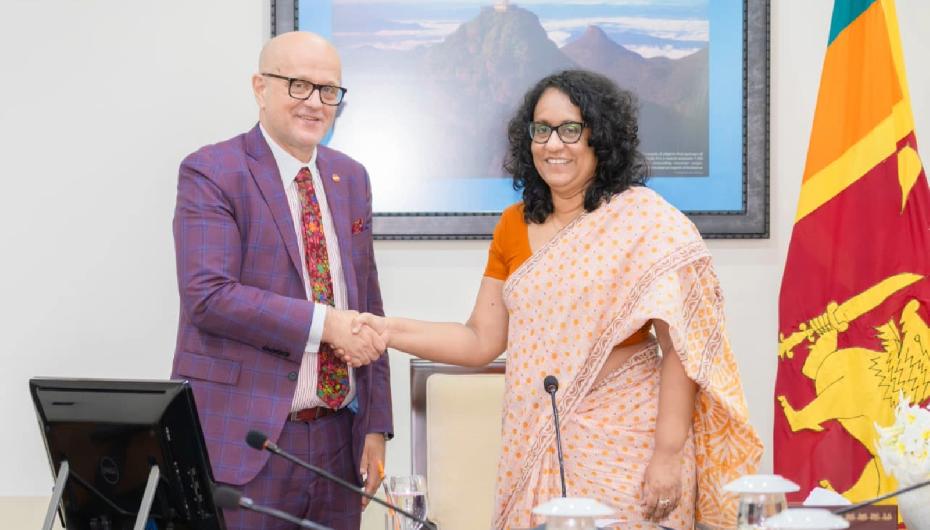
The event was attended by H.E. Carmen Moreno, Ambassador of the European Union to Sri Lanka and the Maldives; Dr. Johann Hesse, Head of Cooperation of the European Union; FAO Representative Vimlendra Sharan; along with representatives from the National Institute of Education (NIE), and a number of government and non-governmental organizations.

Prime Minister’s Media Division

Prime Minister Dr. Harini Amarasuriya concludes Davos visit, marking Sri Lanka’s new revival on the global economic stage and opening a new pathway for international trust and cooperation

Prime Minister Dr. Harini Amarasuriya, who participated in the 56th Annual Meeting of the World Economic Forum held in Davos-Klosters, Switzerland, concluded her successful four-day official visit and returned to the island on January 23, having confidently presented Sri Lanka’s future direction and the policy stability of the new government to the global community.

The visit, attended by a delegation including Minister of Labour and Deputy Minister of Finance Dr. Anil Jayantha Fernando, went beyond a series of diplomatic engagements and marked a significant milestone in strengthening the global confidence in Sri Lanka.

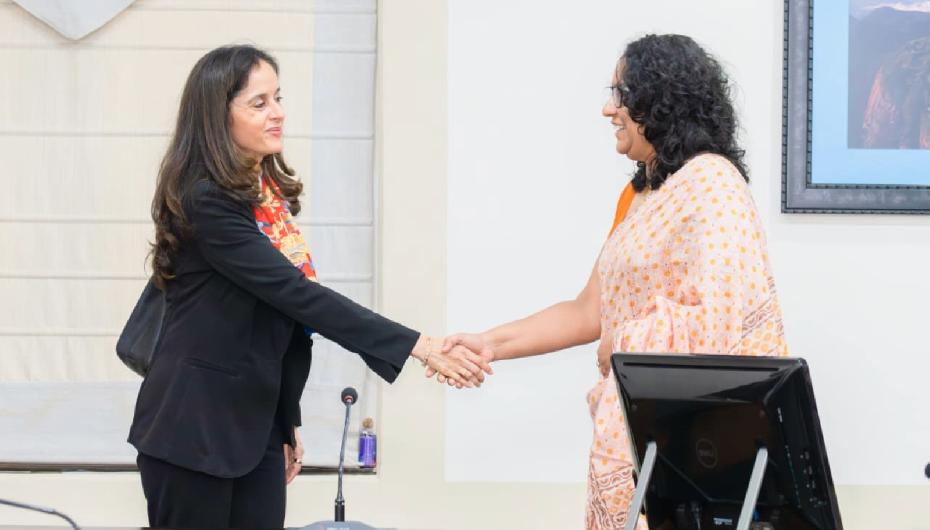
During the visit, the Prime Minister participated in consequential discussions with the Managing Director of the International Monetary Fund (IMF) Ms. Kristalina Georgieva and the President of the Asian Development Bank (ADB) Mr. Masato Kanda. The Prime Minister outlined the debt restructuring process, economic stabilization efforts, and commitment to transparent financial governance of Sri Lanka, and successfully secured continued support from the institutions for the future trajectory of the country.

Participating in the diplomatic discussions, the Prime Minister met with the European Commissioner for International Partnerships Mr. Jozef Síkela and Commissioner for Crisis Management Ms. Hadja Lahbib. The Prime Minister expressed appreciation for the assistance extended by the European Union following the impact of Cyclone “Ditwah” on Sri Lanka and reaffirmed long-term EU support for disaster management and national recovery efforts.

At a meeting with the Administrator of the United Nations Development Programme (UNDP) Mr. Alexander De Croo, the attention was focused on establishing a transparent governance and a strong social protection framework in line with the people’s mandate received by the new government.

The Prime Minister’s contributions as a key speaker at the World Economic Forum sessions titled “Jobs Crisis in Emerging Markets” and “Reskilling Revolution” drew significant international attention.

The Prime Minister highlighted the need to build a “Learning Society” to bridge the time lag between rapid technological advancement and human adaptation.

Global attention was also drawn to Sri Lanka’s fully funded training programmes targeting 50,000 youth, as well as reforms in vocational education. In particular, the Prime Minister emphasized the importance of building a Learning Society to ensure that generational divisions do not widen in the face of artificial intelligence (AI) and digital transformation.

The speech delivered by the Prime Minister at the World Woman Davos Agenda 2026 under the theme “Women Leading the Changing Global Order” was marked an impactful intervention. She emphasized that leadership is not merely about taking a seat at existing tables, but about restructuring the tables themselves, and stressed the need to recognize unpaid care work undertaken by women as a core component of the economy. She also highlighted the election of 20 women to Sri Lanka’s current Parliament as a reflection of the government’s commitment to inclusive governance.

In the sphere of business and investment, discussions were held with Mr. Robert Mærsk Uggla, Chairman of global logistics leader MAERSK, and Mr. Hassan El-Houry, Chairman of Menzies Aviation, aiming at investment opportunities in Sri Lanka’s ports, supply chains, and aviation sectors.

The Prime Minister also undertook technical visits to Swiss high-tech companies Hamilton Medical and Variosystems, and explored the ways to introduce the Dual Vocational Training model at Switzerland in a manner suited to Sri Lanka.

Strengthening regional cooperation, the Prime Minister met with President of Singapore Mr. Tharman Shanmugaratnam to discuss collaboration in education and skills development, and exchanged views on bilateral relations with Mr. Lutfey Siddiqi, Special Envoy to the Chief Adviser of Bangladesh.

At a dialogue held at the Euronews Hub, the Prime Minister underscored the importance of utilizing tourism as a form of “soft power” and diplomatic capital.

Concluding the visit, the Prime Minister met with the members of the Sri Lankan business l and professional community residing in Switzerland, as well as Swiss business representatives. The discussions were held on practical contributions and cooperation that overseas Sri Lankans and foreign investors can extend towards Sri Lanka’s economic revival.

Through this historic engagement in Davos, the Prime Minister was able to reaffirm to the world that Sri Lanka is not merely a recipient of aid, but a country with a progressive state grounded in policy stability, attuned to global trends, and centered on human dignity.

The international respect and trust gained through this visit will further illuminate Sri Lanka’s future development path.

Prime Minister’s Media Division

ලෝක ආර්ථික සමුළුවට සහභාගී වූ අග්‍රාමාත්‍යවරිය සාර්ථක රාජ්‍ය තාන්ත්‍රික හමුවීම් රැසකට පසු දිවයිනට පැමිණෙයි.

ස්විට්සර්ලන්තයේ ඩාවෝස් නුවර පැවැති 2026 ලෝක ආර්ථික සමුළුවේ (World Economic Forum) වාර්ෂික හමුවට සහභාගී වූ අග්‍රාමාත්‍ය ආචාර්ය හරිනි අමරසූරිය ඇතුළු දූත පිරිස සිව් දිනක සාර්ථක නිල සංචාරයකින් අනතුරුව අද (23) පෙරවරුවේ දිවයිනට පැමිණියහ.

පසුගිය ජනවාරි 19 වනදා සිට 22 වනදා දක්වා පැවැති මෙම සමුළුව අතරතුර, අග්‍රාමාත්‍යවරිය ලෝකයේ ප්‍රමුඛ පෙළේ රාජ්‍ය නායකයින්, ජාත්‍යන්තර මූල්‍ය ආයතන ප්‍රධානීන් සහ ව්‍යාපාරික නායකයින් රැසක් හමු වී ශ්‍රී ලංකාවේ ඉදිරි ආර්ථික මාවත ශක්තිමත් කර ගැනීම පිළිබඳව දීර්ඝ වශයෙන් සාකච්ඡා පැවැත්වූවාය. මෙම සංචාරය සඳහා කම්කරු අමාත්‍ය සහ මුදල් හා සැලසුම් නියෝජ්‍ය අමාත්‍ය ආචාර්ය අනිල් ජයන්ත ප්‍රනාන්දු මහතා ඇතුළු ඉහළ පෙළේ දූත පිරිසක් එක්ව සිටියහ.

මෙම සංචාරයේ විශේෂත්වයක් ලෙස අග්‍රාමාත්‍යවරිය ජාත්‍යන්තර මූල්‍ය අරමුදලේ (IMF) කළමනාකාර අධ්‍යක්ෂිකා ක්‍රිස්ටලිනා ජෝර්ජියේවා සහ ආසියානු සංවර්ධන බැංකුවේ (ADB) සභාපති මසාටෝ කන්ඩා මහතා සමඟ ද්විපාර්ශ්වික සාකච්ඡා පවත්වමින් මෙරට මූල්‍ය ස්ථාවරත්වය තහවුරු කිරීමට අවශ්‍ය සහයෝගය පිළිබඳව අදහස් හුවමාරු කර ගත්තාය. එසේම, සිංගප්පූරු ජනාධිපති තර්මන් ෂන්මුගරත්නම් මහතා, යුරෝපීය කොමිසමේ සභාපතිනී උර්සුලා වොන් ඩර් ලේන් මෙනෙවිය සහ එක්සත් ජාතීන්ගේ සංවර්ධන වැඩසටහනේ (UNDP) පරිපාලක ඇලෙක්සැන්ඩර් ඩි ක්‍රෝ මහතා සමඟ පැවැති හමුවීම් හරහා ජාත්‍යන්තර සබඳතා තවදුරටත් පුළුල් කර ගැනීමටත් ශ්‍රී ලංකාව කෙරෙහි ඇති ගෝලීය විශ්වාසය තහවුරු කිරීමටත් හැකි විය.

ගෝලීය වේදිකාව තුළ ශ්‍රී ලංකාවේ ප්‍රතිපත්තිමය ස්ථාවරය පැහැදිලි කරමින් අග්‍රාමාත්‍යවරිය ’World Women Davos Agenda 2026’ හමුවේ විශේෂ දේශනයක් පැවැත්වූ අතර, නැගී එන වෙළෙඳපොළවල රැකියා අර්බුදය සහ ගෝලීය කුසලතා සංවර්ධනය පිළිබඳ වූ ඉහළ පෙළේ කමිටු සාකච්ඡා (Stakeholder Dialogues) සඳහා ද සිය දායකත්වය ලබා දුන්නාය. මීට අමතරව, ගෝලීය සංචාරක සංසදයේ (GTF) ඉහළ පෙළේ සංවාදයකට එක්වෙමින් ශ්‍රී ලංකාවේ සංචාරක ක්ෂේත්‍රයේ අනාගත දැක්ම ප්‍රවර්ධනය කිරීමට ද අග්‍රාමාත්‍යවරිය පියවර ගත්තාය.

ආයෝජන අවස්ථා පුළුල් කිරීමේ අරමුණින් AP Moller-Maersk වැනි ජාත්‍යන්තර සමාගම්වල ප්‍රධානීන් සහ ස්විට්සර්ලන්ත ව්‍යාපාරික ප්‍රජාව සමඟ සාකච්ඡා පැවැත්වූ අග්‍රාමාත්‍යවරිය, ස්විට්සර්ලන්තයේ වෘත්තීය පුහුණු ආයතන කිහිපයක නිරීක්ෂණ චාරිකාවකට ද එක් වූවාය.

ස්විට්සර්ලන්තයේ වෙසෙන ශ්‍රී ලාංකික ව්‍යාපාරිකයින් හමු වූ අග්‍රාමාත්‍යවරිය මෙරට සංවර්ධනය සඳහා ඔවුන්ගේ දායකත්වය ලබා ගැනීම පිළිබඳව ද අවධානය යොමු කළාය. මෙම සාර්ථක රාජ්‍ය තාන්ත්‍රික මෙහෙවර මගින් ශ්‍රී ලංකාවේ අනාගත සංවර්ධන වැඩපිළිවෙළ උදෙසා ජාත්‍යන්තර සහයෝගීතාවයේ නව පිටුවක් පෙරළීමට අග්‍රාමාත්‍යවරිය ප්‍රමුඛ දූත පිරිස සමත් වී තිබේ.

අග්‍රාමාත්‍ය මාධ්‍ය අංශය

Prime Minister Engages Swiss and Sri Lankan Business Communities in Davos.

Prime Minister Dr. Harini Amarasuriya held meetings with members of the Swiss business community as well as Sri Lankan business leaders and professionals based in Switzerland on the sidelines of the World Economic Forum in Davos.

The engagements focused on strengthening partnerships, building confidence, and exploring practical avenues for collaboration to support Sri Lanka’s economic recovery and long-term development.

During discussions with Sri Lankan business and professional representatives in Switzerland, the Prime Minister highlighted the important role they play in fostering business linkages, facilitating investment opportunities, enabling market access, mentoring entrepreneurs, and strengthening Sri Lanka’s engagement with international business networks.

In her meeting with members of the Swiss business community, the Prime Minister outlined Sri Lanka’s current economic direction, reform priorities, and key sectors for investment. She emphasised the government’s focus on economic stability, predictable policy frameworks, and governance reforms aimed at rebuilding investor confidence.

The discussions explored opportunities for collaboration in areas such as services-sector growth, capital markets, financial technology, and other priority sectors, with an emphasis on translating engagement into tangible outcomes, including investor interest, sector-specific partnerships, and long-term cooperation.

The Prime Minister reaffirmed Sri Lanka’s commitment to sustained economic recovery driven by reform, stability, and international partnership, while welcoming continued engagement with Swiss and Sri Lankan business stakeholders.

Prime Minister’s Media Division

“The exclusion of women from decision-making is not incidental; it is structurally maintained through gendered power hierarchies.Addressing these barriers is about transforming institutions and power structures to create enabling environments in which women can lead with confidence.” - Prime Minister Dr. Harini Amarasuriya

Prime Minister Dr. Harini Amarasuriya participated in World Woman Davos Agenda 2026 on January 21 at World Woman House on the sidelines of the 56th Annual Meeting of the World Economic Forum in Davos-Klosters, Switzerland.

Addressing a high-level forum under the theme “Women Leading the Changing Global Order,” the Prime Minister noted that while women across the world are increasingly asserting agency in political, economic, and social spheres, their contributions continue to be systematically undervalued, particularly in unpaid care work, informal labour, and agriculture.”

The Prime Minister further stated,

“From a political standpoint, the exclusion of women from decision-making is not incidental; it is structurally maintained through gendered power hierarchies. Attacks on women in leadership, particularly in politics, through harassment, character assassination, and systemic marginalization, often force capable women, including those aspiring to leadership, to withdraw or refrain from participation, thereby reinforcing entrenched patriarchal structures.

“Addressing these barriers is not about protection but about transforming institutions and power structures to create enabling environments in which women can exercise leadership with autonomy, authority, and confidence.

“Sri Lanka demonstrates what is possible when political commitment aligns with the resilience of its people. Under our current inclusive government, historic strides have been made in political representation. For the first time, 20 women have been elected to Parliament.

“This commitment is reflected not only in vision; it signals a shift toward more inclusive governance.”

Concluding her address, the Prime Minister stated that leadership is not merely about occupying seats at existing tables, but about restructuring systems themselves. She reaffirmed Sri Lanka’s commitment to feminist, intersectional leadership, calling on global actors to ensure that women and marginalised communities are not only participants, but principal architects of the policies shaping the future global order.”

Prime Minister’s Media Division