Prime Minister's Office

The Prime Minister's Office carries out official duties of the Prime Minister of the Democratic Socialist Republic of Sri Lanka and provides necessary guidance, coordination facilities and leadership to achieve economic and social development goals in accordance with the government policies.

Moreover, the Prime Minister’s Office provides necessary leadership and guidance to fulfill the aspirations of people while standing by the side of them in the hour of need with great enthusiasm and commitment. It provides regular assistance in policy making and also necessary contribution, guidance and coordination through a people centered approach to achieve Sustainable Development Goals (SDG). It plays a crucial role in maintaining diplomatic relationships and international relations, through facilitating negotiations, conducting high level diplomacy with foreign leaders, countries, states and representatives and coordinating the efforts of various government agencies and departments involved in foreign affairs.

Vision

“An independent, sovereign and prosperous Sri Lanka”

Mission

“To provide the necessary leadership for an excellent government mechanism by maintaining good coordination between the public and private institutions, foreign missions, foreign development cooperation agencies including the United Nations and non-governmental organizations in order to fulfill the aspirations of the people of Sri Lanka and improve their living standards”

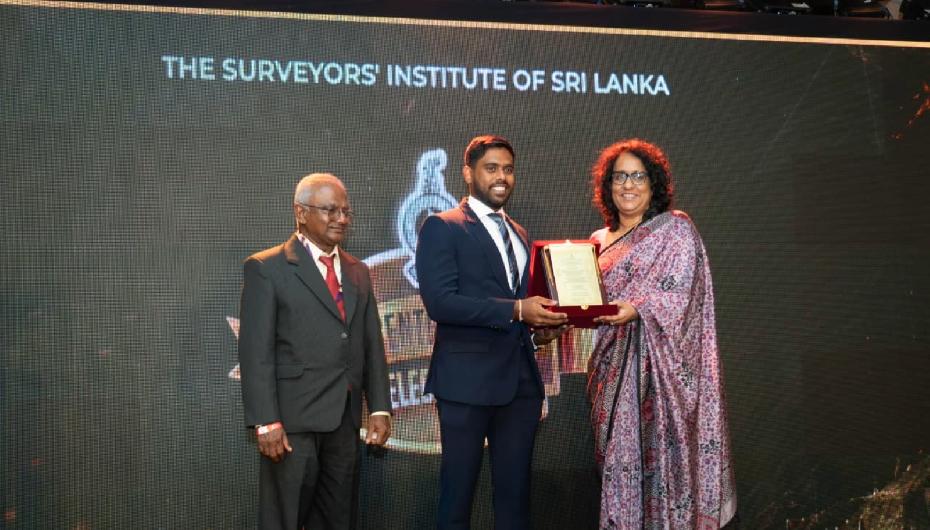
The future of the Survaying profession depends not only on technical knowledge, but also on integrity, adaptability, innovation and a commitment to public service. - Prime Minister Dr. Harini Amarasuriya

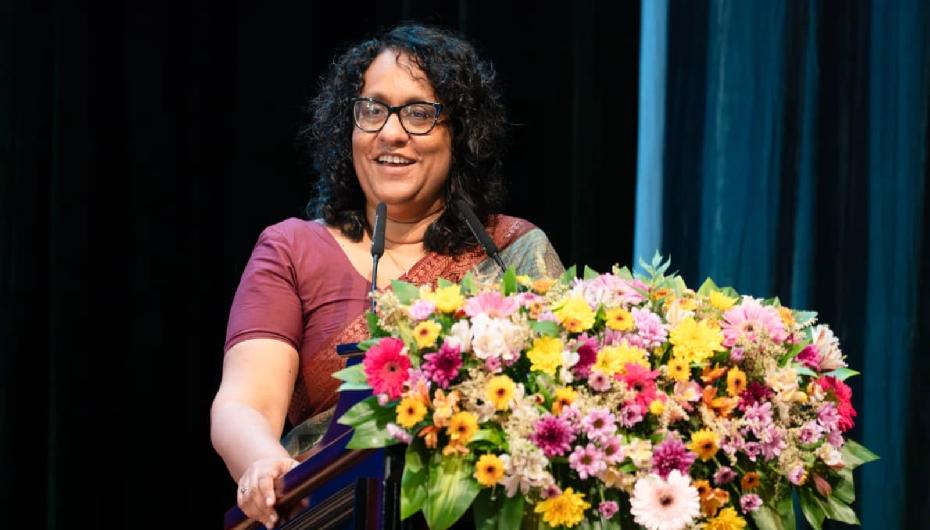
Prime Minister Dr. Harini Amarasuriya stated that the future of the surveying profession depends not only on strong technical expertise, but on a generation equipped with integrity, adaptability, innovation and a deep commitment to public service.

The Prime Minister made these remarks while addressing the Centenary Celebration of the Surveyors’ Institute of Sri Lanka, held in Colombo on 2 August under the theme "Beyond Boundaries, Beyond Horizons – Mapping the Future of the World."

During the event, Lifetime Service Awards, the National Contribution and Entrepreneurship Award, and a Memorial Tribute Award honouring departed professionals were presented.

Addressing the occasion, Prime Minister Dr. Harini Amarasuriya further stated:

Surveying is one of the most fundamental professions underpinning a country’s development. Although much of the work carried out by surveyors remains unseen by the public, it is essential to every aspect of national progress, including sustainable development, efficient land management, infrastructure development and the successful implementation of development projects. Every well-planned city, protected forest, agricultural development initiative and secure land title is built upon the technical expertise of skilled surveyors.

The importance of the surveying profession to national development is evident through the country’s major infrastructure and irrigation projects. One of the significant event is its contribution to the Government’s land ownership programme, through which approximately 50,000 land parcels are surveyed and demarcated annually, helping to ensure secure land ownership and efficient land administration across the island.

Surveyors have also carried out surveys for more than 100 irrigation reservoirs in the Northern and North Central Provinces to support irrigation development and water resource management. The Rajarata Canal Project, which conveys water from the Moragahakanda Reservoir to Hurulu Wewa in the Anuradhapura District, includes a long underground tunnel. Throughout the excavation process, surveyors have continuously monitored the tunnel’s alignment and gradient to ensure its accuracy and compliance with engineering standards.

Their expertise is equally indispensable for major infrastructure projects, including the construction of expressways. These projects demonstrate how the precision and technical competence of surveyors ensure that large-scale national development initiatives are implemented safely and accurately.

Today, the role of a surveyor extends far beyond measuring land boundaries. Across the world, advances in satellite technology, Geographic Information Systems (GIS), remote sensing, artificial intelligence (AI), drone technology and digital mapping are transforming the way governments undertake urban planning, manage natural resources, respond to disasters and deliver public services. Reliable geospatial information has become an indispensable national asset.

As Sri Lanka moves towards economic renewal and sustainable development, we must build institutions that are efficient, transparent and digitally connected. Our Government is committed to strengthening digital governance across all sectors, including land administration. Accurate, accessible and integrated land information systems are essential for long-term national planning. Achieving this requires close collaboration between government institutions, the private sector and professional bodies such as the Surveyors’ Institute of Sri Lanka.

Climate change is increasingly affecting our society through floods, droughts, coastal erosion and other environmental challenges. As a result, the importance of geospatial science continues to grow.

The recent Cyclone Ditwah and the devastating floods that followed reminded us that the true measure of recovery is not the speed of rebuilding, but the quality, resilience and sustainability of what we rebuild. Many homes, public buildings, roads and community infrastructure suffered extensive damage, much of which was exacerbated by poor site selection, inadequate planning, weak construction standards and insufficient consideration of natural hazards.

Evidence-based planning and accurate mapping are therefore essential to building resilient infrastructure, protecting vulnerable communities and enabling informed decision-making for future generations.

I believe that the future of this profession depends not only on strong technical knowledge, but also on a generation characterised by integrity, adaptability, innovation and an unwavering commitment to public service.

Young professionals are entering a rapidly evolving field shaped by advances in geospatial technologies, artificial intelligence (AI), remote sensing, drones, satellite positioning systems, digital twins and data analytics. To remain relevant in this changing landscape, they must continuously update their technical skills while also developing the ability to collaborate effectively with engineers, planners, environmental scientists, architects and policy makers.

The occasion was attended by the Deputy Minister of Lands and Irrigation Aravinda Senarath Witharana, Member of Parliament J. A. Ruwanthilaka, the Mayor of Dehiwala-Mount Lavinia, former Additional Surveyor General Parakrama Shantha, Secretary to the Ministry of Agriculture, Livestock, Lands and Irrigation D. P. Wickramasinghe, Additional Surveyor General Bhagya Fernando, former Surveyor General Shyamali Perera, and a large gathering of members of the Surveyors’ Institute of Sri Lanka.

Prime Minister’s Media Division
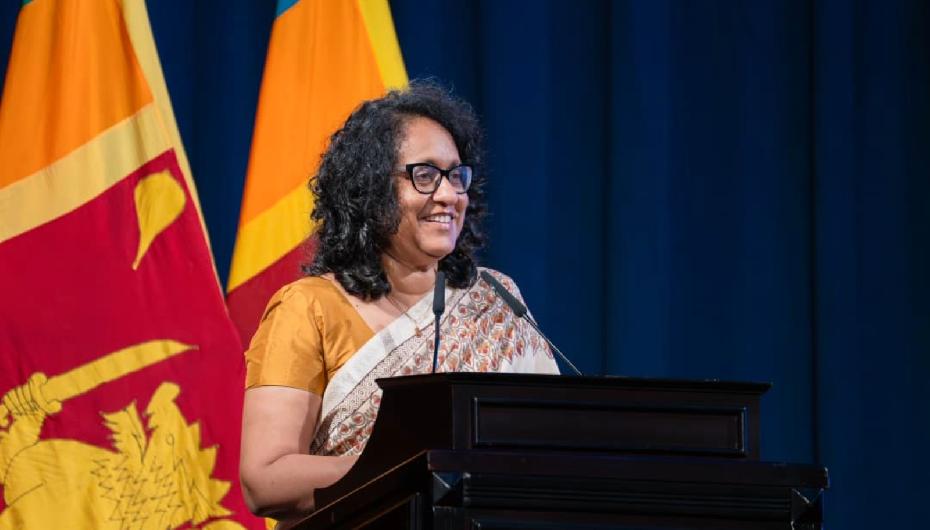
Education is a fundamental right of every child, not a privilege. - Prime Minister Dr. Harini Amarasuriya

The Nena Isura Scholarship Programme is a significant source of strength for the Government’s efforts to ensure that no child is left behind.

Prime Minister Dr. Harini Amarasuriya stated that education must be a fundamental right of every child, and is not a privilege. The Prime Minister further stated that the Nena Isura Scholarship Programme provides valuable support for the Government’s efforts to ensure that no child is left behind.

The Prime Minister made these remarks while addressing the "Nena Isura – 2026" Scholarship Award Ceremony, held in honor of the late Most Venerable Galboda Siri Gnanissara Thero, at Temple Trees on 2 August.

The programme was organised by the Most Venerable Galboda Siri Gnanissara Thero Memorial Scholarship Trust Fund under the guidance of the Chief Incumbent of the Gangaramaya Temple, Venerable Dr. Kirinde Assaji Thero. Scholarships were awarded to 460 students who had successfully passed the Grade Five Scholarship Examination, with financial assistance to continue until they completed their G.C.E. Advanced Level.

Addressing the occasion after presenting the scholarships, Prime Minister Dr. Harini Amarasuriya stated:

The late Most Venerable Galboda Siri Gnanissara Thero has played an exemplary role extending his service far beyond the boundaries of the temple, making social service one of his foremost responsibilities.

While fulfilling his religious and monastic duties, the thero also became a source of strength for vulnerable communities, particularly children and families facing economic hardships.

His contribution through the Gangaramaya Temple towards vocational education, youth development, and child welfare is remarkable The Nena Isura Scholarship Programme is a testimony of his compassionate vision and commitment to investing in the future.

For these children, who continue their education despite financial hardships, this scholarship will provide meaningful support in helping them realise their education.

You are aware that the Government is currently undertaking a comprehensive transformation of Sri Lanka’s education sector. As a Government, our vision is that education must be a fundamental right of every child, not a privilege.

Regardless of the economic challenges our country may face, investing in a child’s education is the finest investment we can make for Sri Lanka’s future. Our greatest national asset is our human capital. Accordingly, we are implementing several important measures to strengthen the education sector. Through education reforms and by safeguarding free education, we are updating school curriculum and moving from an examination-centred system towards one that nurtures children’s skills, critical thinking, creativity, observation, and practical learning.

Our objective is also to build an education system that develops the values, attitudes, and competencies our country needs, rather than one confined solely to textbooks. We have allocated resources to improve infrastructure, address teacher shortages, and expand technological facilities in rural schools, thereby narrowing the gap between rural and urban education. Every child, regardless of where they are born, deserves access to the same quality of education.

For many years, the education system functioned without proper planning, resulting in delays in conducting examinations and releasing examination results. We are now restoring a well-planned academic calendar and ensuring that the education system functions in an orderly and timely manner. In this endeavour, we seek the support of all stakeholders. Through the Ministry of Education, Higher Education and Vocational Education, we are expanding opportunities and pathways to ensure that no child is left behind after completing school education and that every student has access to higher education or vocational education. By investing in our human capital through initiatives such as the school meal programme, free textbooks, school equipment, and scholarship programmes, the Government remains committed to eliminating the conditions that force children from vulnerable families to discontinue their education.

I see the Nena Isura Scholarship Programme as another valuable partner in supporting the Government’s efforts.

The social service carried out jointly by the Gangaramaya Temple and the Nena Isura Scholarship Fund is a significant source of strength for the national programme we are implementing as a Government.

I also wish to take this opportunity to express the Government’s appreciation to Venerable Dr. Kirinde Assaji Thero for continuing the vision of the late Most Venerable Galboda Siri Gnanissara Thero through his religious and social service.

My sincere gratitude also goes to Venerable Kirinde Assaji Thero for his guidance, to the Board of Trustees of the Scholarship Fund, and to everyone who has contributed to making this programme possible.

This scholarship is not merely a financial assistance or an educational material. It is a symbol of the confidence that an entire nation places in your future. Whatever challenges you encounter, never lose your determination or commitment. Equip yourselves through education and strive to become compassionate, responsible, and respectful citizens who will lead this country towards a brighter future.

The occasion was attended by the Mahanayake Theros of the Siam Nikaya, the Anunayake Theros of the Malwathu and Asgiri Chapters, members of the Maha Sangha, Western Province Governor Mr. Hanif Yusoof, Secretary to the Prime Minister Mr. Pradeep Saputhanthri, Defence Secretary Sampath Thuyacontha, General Secretary of the Janatha Vimukthi Peramuna Tilvin Silva, the Commanders of the Tri-Forces, ambassadors, donors, scholarship recipients, their parents, and a large gathering of invitees.

Prime Minister’s Media Division

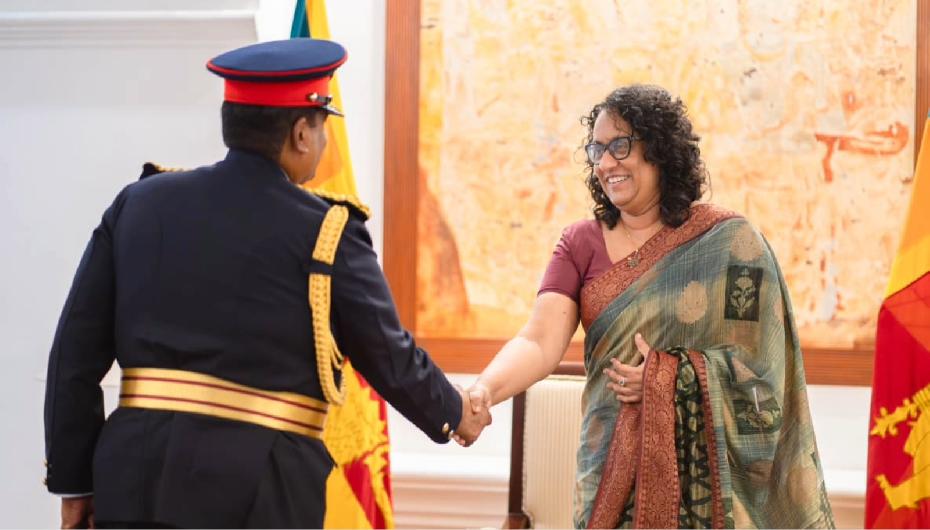
Army Commander Lieutenant General Lasantha Rodrigo Meets Prime Minister

The 25th Commander of the Sri Lanka Army, Lieutenant General Lasantha Rodrigo, who concluded his tenure as Commander of the Sri Lanka Army, called on Prime Minister, Dr. Harini Amarasuriya, at Temple Trees on 31 July.

During the meeting, the Prime Minister commended Lieutenant General Rodrigo for his distinguished military service, exemplary leadership, and unwavering dedication to the motherland.

Lieutenant General Rodrigo reflected on his tenure as Army Commander and recalled his active contribution towards enhancing the operational capabilities and professional standards of the Sri Lanka Army.

The Prime Minister also conveyed her best wishes to Lieutenant General Rodrigo for his future endeavours following his retirement from service.

Prime Minister’s Media Division

Government’s National Tourism Vision for 2030 aims to welcome five million tourist arrivals, build a tourism workforce of 800,000 people, and generate USD 10 billion in tourism revenue by 2030. - Prime Minister Dr. Harini Amarasuriya

Prime Minister Dr. Harini Amarasuriya made these remarks while participating as the Chief Guest in the 45th Graduation Ceremony of the Sri Lanka Institute of Tourism and Hotel Management (SLITHM), held on 31 July at the BMICH.

Established by the Government of Sri Lanka in 1964 as the Ceylon Hotel School, the Sri Lanka Institute of Tourism and Hotel Management has, for more than six decades, is well known for its contribution to equip the skilled professionals whose knowledge, professionalism, and dedication have earned recognition both in Sri Lanka and internationally.

During the ceremony, the Prime Minister presented awards and certificates to the graduating students in recognition of their successful completion of studies.

Addressing the gathering, the Prime Minister emphasized that Sri Lanka’s tourism sector has demonstrated remarkable resilience in the face of numerous challenges, including the Cyclone Ditwah, and further stated, By 2026, Sri Lanka’s tourism sector had undergone a significant recovery, gradually transforming from a crisis-affected industry into one of the key drivers of economic revival.

The progress achieved in recent years is also encouraging. In 2025, Sri Lanka generated approximately 3.2 billion US dollars in tourism revenue, reaffirming the sector’s importance to the national economy. This positive momentum has continued into 2026, with tourist arrivals from January to July already exceeding 1.3 million visitors. Tourism-related employment has reached more than 429,000 direct and indirect jobs, demonstrating the sector’s significant contribution to the well-being of Sri Lankan families and communities.

The Prime Minister further stated that the Government’s National Tourism Vision for 2030 aims to welcome five million tourist arrivals, build a tourism workforce of 800,000 people, and generate USD 10 billion in tourism revenue by 2030.

The Prime Minister emphasized that achieving these goals requires more than technical expertise. She noted that the tourism industry needs professionals who are environmentally responsible, ethically grounded, adaptable, and committed to delivering quality service.

The Prime Minister also commended SLITHM for its efforts to promote inclusion by creating opportunities for persons with disabilities to participate in the tourism industry, describing it as an important step towards building a more equitable and accessible sector.

Highlighting the importance of gender equality in the workforce, the Prime Minister stressed the need to ensure safe and supportive workplaces that encourage the participation of women in the tourism industry, contributing to a more balanced and productive workforce.

The occasion was attended by Deputy Minister of Tourism Prof. Ruwan Ranasinghe, Secretary to the Ministry of Tourism Mr. Dheera Hettiarachchi, Chairman of SLITHM Mr. Wasantha Manthripala, CEO/Director General of SLITHM, diplomatic representatives, members of the academic and non-academic staff of SLITHM, graduates, and their families.

Prime Minister’s Media Division

UN Assistant Secretary-General and UNDP Regional Director for Asia and the Pacific meets Prime Minister

United Nations Assistant Secretary-General and United Nations Development Programme (UNDP) Regional Director for Asia and the Pacific, Ms. Kanni Wignaraja, met with Prime Minister Dr. Harini Amarasuriya at the Prime Minister’s Office on 31 July.

Welcoming the UNDP delegation, the Prime Minister expressed her appreciation for UNDP’s continued partnership and support for Sri Lanka’s sustainable development efforts.

The Prime Minister briefed the delegation on the Government’s ongoing efforts to complete priority programmes initiated under previous administrations, while moving forward with the implementation of its own policy priorities.

The discussion focused on the Government’s public sector review process, including measures to strengthen recruitment through transparent and merit-based processes and improve human resource management across the public sector. The Government’s digitalisation agenda was also discussed, with particular attention to digital public infrastructure, digital governance and the use of technology to improve public service delivery.

Ms. Wignaraja reaffirmed UNDP’s commitment to supporting Sri Lanka’s digitalisation and digital governance initiatives, as well as its continued assistance towards the country’s recovery and resilience efforts.

The Prime Minister also highlighted the Government’s focus on strengthening integrated waste management systems, promoting sustainable resource management, expanding renewable energy generation and advancing Sri Lanka’s transition towards sustainable development. She outlined ongoing efforts to develop a comprehensive climate finance strategy to mobilise resources for climate adaptation, resilience and low-carbon development.

UNDP shared updates on its ongoing Future Skills Study, which seeks to identify emerging labour market needs and support skills development in line with future economic demands.

The discussion also covered Sri Lanka’s care economy, with both sides exchanging views on strengthening care systems, increasing women’s participation in the workforce and promoting more inclusive economic growth.

The meeting was attended by Ms. Azusa Kubota, UNDP Resident Representative in Sri Lanka; Ms. Marina Ten, UNDP Deputy Resident Representative in Sri Lanka; Mr. Pradeep Saputhanthri, Secretary to the Prime Minister; Ms. Sagarika Bogahawatta, Additional Secretary to the Prime Minister; and officials from the Ministry of Foreign Affairs, Foreign Employment and Tourism.

Prime Minister’s Media Division

Prime Minister Instructs Officials to Expedite renovation of Ratmalana–Kandawala Road and drainage System

Prime Minister Dr. Harini Amarasuriya has instructed the relevant authorities to expedite the commencement of renovation on the Ratmalana–Kandawala Road and the drainage system on either side of the road, which provides access to a number of economically significant industrial establishments, higher education institutions, and other key locations.

The Prime Minister made these remarks during a special discussion held today (31 July) at the Western Provincial Council Office.

It was revealed during the discussion that due to blockages in the drainage system along both sides of the road, the road and adjacent buildings are frequently inundated during the rainy season, causing severe inconvenience to residents, employees, and those accessing institutions in the area. Although renovating the road would bring significant economic and social benefits, years of inadequate maintenance have caused flooding, while unauthorized constructions have been built blocking the water flow.

Several key factors affecting the poor storm water drainage along the Ratmalana–Kandawala Road were identified during the discussion. These included unauthorized structures blocking the natural flow of rainwater, the lack of regular cleaning and maintenance of the drainage system, and the insufficient capacity of existing culverts and bridges to meet current drainage requirements.

It was further revealed that the differences in elevation between the drainage system and the Weras Ganga, into which the water ultimately flows, as well as the area’s high groundwater table located close to the surface, have also caused the persistent flooding.

Addressing the meeting, the Prime Minister noted that unresolved issues relating to land ownership and the failure to clearly identify the institutions responsible for maintaining the drainage canals and waterways have become major obstacles to resolving the problem. The Prime Minister therefore stressed the importance of all relevant state institutions working together beyond narrow institutional and administrative boundaries.

The Prime Minister further emphasized that the final development plan should not only improve access for the public, export-oriented industries that generate foreign exchange, and higher education institutions, but must also incorporate comprehensive flood mitigation measures for the area.

The Sri Lanka Land Development Corporation has already prepared a development plan for the project. The meeting also focused on the implementation of the rehabilitation work by the Western Provincial Road Development Authority once the relevant stakeholder institutions resolved the outstanding issues.

The discussion was attended by Chairperson of the Colombo District Coordinating Committee and Member of Parliament Lakshman Nipuna Arachchi, Chairperson of the Ratmalana Coordinating Committee and Member of Parliament Samanmali Gunasingha, Chairperson of the Roads Subcommittee of the Colombo District Coordinating Committee and Member of Parliament Dewananda Suraweera, the Chief Secretary of the Western Province, the Mayor of Dehiwala–Mount Lavinia, and a large number of officials representing the Sri Lanka Land Development Corporation and the Western Provincial Road Development Authority.

Prime Minister’s Media Division