

Government’s focus on protecting children from cyber threats, online violence and other harms to their wellbeing and healthy development
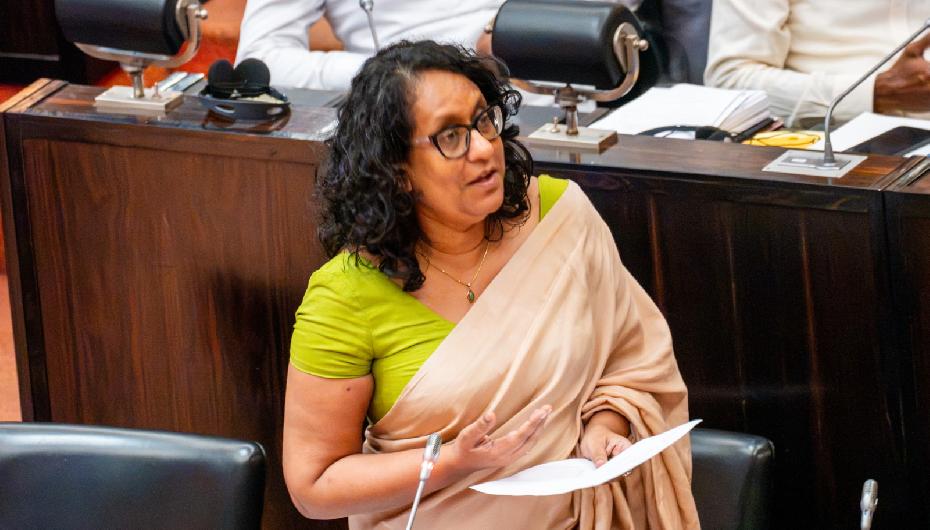
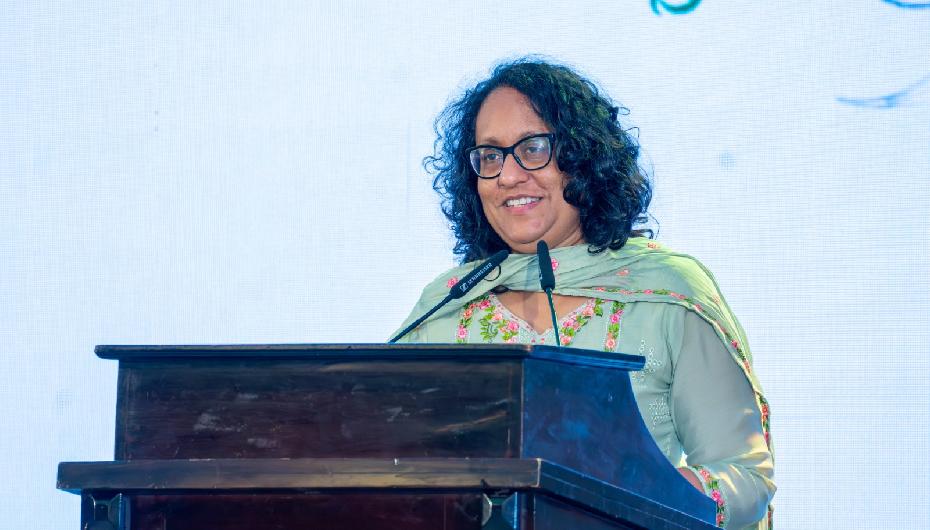
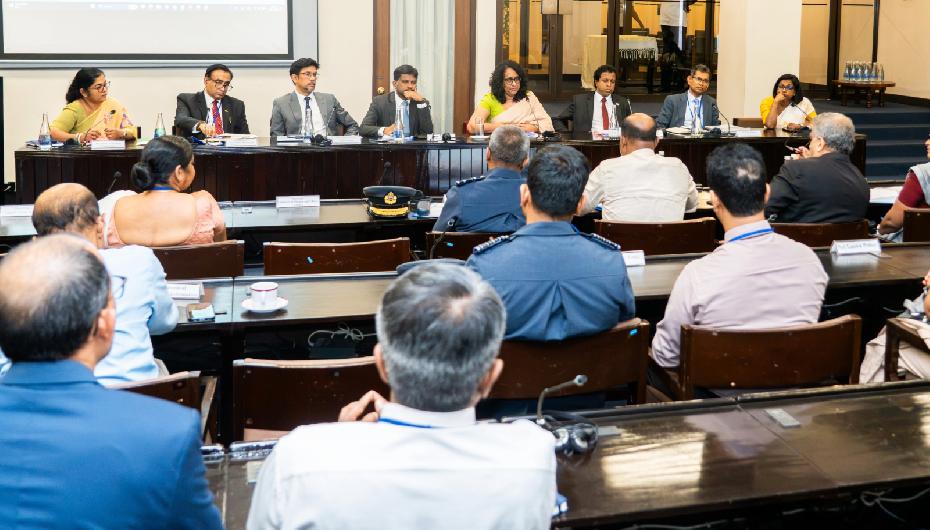
A discussion on the implementation of a comprehensive national program with regulatory and educational solutions to protect children in Sri Lanka from cyber threats, online violence and negative impacts on their wellbeing was held in Parliament on July 21 under the patronage of Prime Minister Dr. Harini Amarasuriya.
In this special discussion organized with the participation of a multi-disciplinary working group of the Digital Education Task Force, there was consideration of how to balance ensuring access to the benefits of children’s digital participation with also safeguarding them from online harms.
As a number of countries around the world are discussing imposing age restrictions on children’s access to social media, there was a discussion of the complex process to introduce and enforce such bans - and the effectiveness of such measures to protect children from online harms. It was observed that in the first country to impose such a ban, a study found that 85% of children continued to use these platforms through other means. Potential unintended consequences of a ban were also discussed, including lost access to learning opportunities, increased use of risky platforms, loss of social connection and privacy risks for all users.
It was highlighted that a ’smart mix’ of multiple tools and strategies were recommended to effectively address the different types of harm that children faced, including grooming and exploitation, exposure to harmful content, disruption of sleep and compulsive online behaviours, and negative effects on development and mental wellbeing. These strategies included increased digital literacy and empowerment of parents as well as children, but also a focus on increasing accountability of online platforms, disabling addictive features and focusing on the implementation of ’Safety-by-design’ and effective responses to harm.
There was a discussion of the government’s commitment to following an evidence-informed approach and to cross-Ministerial cooperation for a comprehensive approach to child online safety and digital wellbeing.
In line with this process, there was also the presentation of draft school-level guidelines for online safety, cyber-security and digital wellbeing, for students, educators and parents. These have been developed drawing on international frameworks, national experience and existing Sri Lankan resource materials, with special attention to emerging risks and sources of harm. Following approval of the finalised guidelines by the appropriate bodies, they will be made available to schools nationwide with accompanying training and orientation for their implementation.
The event was attended by Minister of Digital Economic Affairs Eranga Weeraratne, Minister of Children and Women’s Affairs Saroja Savitri Paulraj, Deputy Minister of Education Dr. Madhura Seneviratne, Deputy Minister of Mass Media Dr. Kaushalya Ariyaratne, Secretary to the Prime Minister Pradeep Saputhanthri, Secretary to the Ministry of Education Nalaka Kaluwewa, Secretary to the Ministry of Digital Economic Affairs, government officials and members of the Digital Education Task Force.
Prime Minister’s Media Division