பிரதம அமைச்சர் அலுவலகம்

இலங்கை ஜனநாயக சோஷலிசக் குடியரசின் பிரதம அமைச்சரின் உத்தியோகபூர்வ கடமை அலுவல்களைச் செயற்படுத்துகின்ற பிரதம அமைச்சர் அலுவலகம், அரச கொள்கைகளுக்கு ஏற்ப பொருளாதார மற்றும் சமூக அபிவிருத்தி இலக்குகளை அடைந்துகொள்வதற்குத் தேவையான வழிகாட்டல், ஒருங்கிணைப்பு மற்றும் தலைமைத்துவத்தினை வழங்குகிறது.

அத்துடன், காலத்தின் சவால்களுக்கு மத்தியில், அச்சமின்றி, திடசங்கற்பத்துடன் அந்த சவால்களுக்குத் துரிதமான தீர்வுகளை வழங்குவதற்கும், மக்களின் எதிர்பார்ப்புக்களை நிறைவேற்றுவதற்கும் கடினமாக காலப்பகுதிகளில் அவர்களின் பக்கம் நின்று குறித்த எதிர்பார்ப்புக்களை நிறைவேற்றுவதற்குத் தேவையான தலைமைத்துவத்தைப் பிரதம அமைச்சர் அலுவலகம் வழங்குகிறது. மேலும், நாட்டின் அபிவிருத்திப் பணியை அடைந்துகொள்வதற்கு அவசியமான கொள்கைகளை வகுத்தல் மற்றும் மக்களை மையப்படுத்திய அணுகுமுறையொன்று ஊடாக நிலைபேறான முறையில் நாட்டின் அபிவிருத்தி இலக்குகளைப் பூர்த்தி செய்வதற்கு அவசியமான பங்களிப்பு, வழிகாட்டல், சிறப்பான ஒருங்கிணைப்பினை வழங்குதல் மற்றும் உலகளாவிய அந்நியோன்யத் தொடர்புகளை விரிவுபடுத்தும் நோக்குடன் இராஜதந்திர அலுவல்கள் சம்பந்தமான பங்களிப்புக்களை வழங்குவதும் பிரதம அமைச்சர் அலுவலகத்தினால் நிதமும் மேற்கொள்ளப்படுகிறது.

தூரநோக்கு

“சுயாதீன, இறைமையுள்ள மற்றும் சௌபாக்கியமிக்கதோர் இலங்கை”

செயற்பணி

“இலங்கை மக்களின் எதிர்பார்ப்புக்களை நிறைவேற்றும் பொருட்டும், அவர்களின் வாழ்க்கைத் தரத்தினை மேம்படுத்தும் பொருட்டும் அரச மற்றும் அரச சார்பற்ற நிறுவனங்களிடையே சிறப்பான ஒருங்கிணைப்பினைப் பேணி நல்லாட்சிமிக்க சிறந்ததோர் அரச பொறிமுறையொன்றுக்கான தலைமைத்துவத்தை வழங்குதல்”

“Sri Lanka must shape the future of AI through policy, ethics, and inclusive governance, not simply adapt to it.” - Prime Minister Dr Harini Amarasuriya

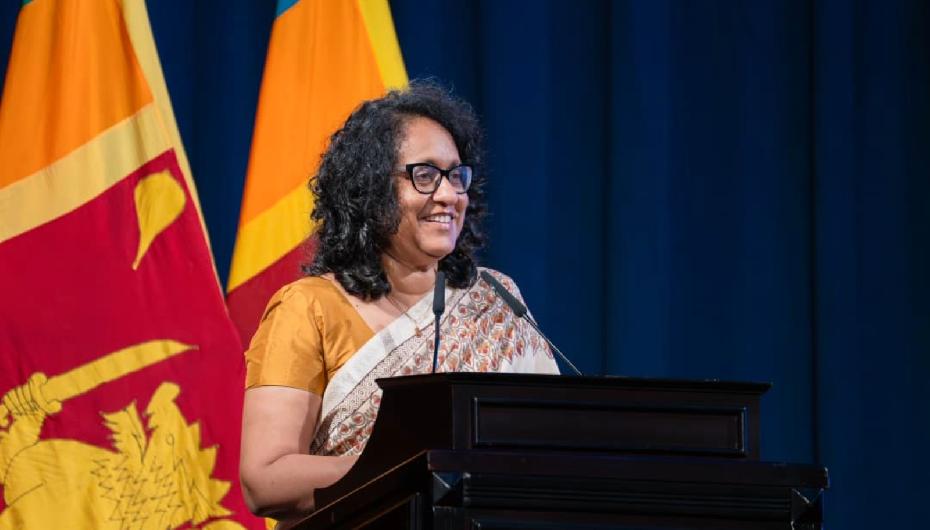
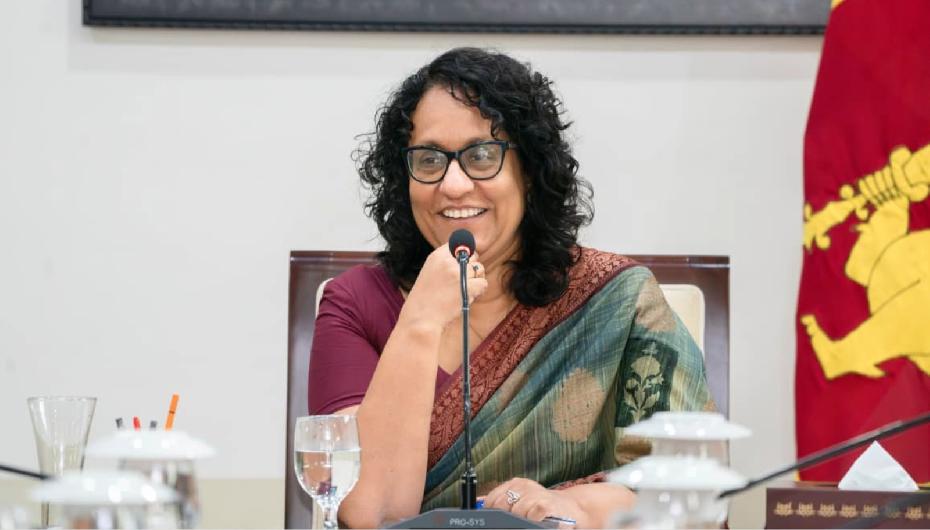
Prime Minister Dr Harini Amarasuriya emphasised that Sri Lanka must shape the future of artificial intelligence through policy, ethics, and inclusive governance, rather than simply adapt to it. She made these remarks while attending as the Chief Guest at the launch of the AI Policy Framework for State Universities, held on May 8, 2026, at the Senate Hall, University of Colombo.

The initiative, led by the University Grants Commission in partnership with the U.S. Embassy in Sri Lanka, focuses on developing a policy framework to guide the responsible, ethical, and inclusive use of artificial intelligence within Sri Lanka’s state university system.

The event brought together academic leaders, policymakers, and AI specialists to present the framework and outline its implementation. The programme included a welcome address by UGC Chairman Senior Professor Kapila Seneviratne, followed by presentations on the policy framework and its key highlights by a panel of AI experts. The Vice Chairman of the UGC, Professor K. L. Wasantha Kumara, presented the proposed implementation plans.

Addressing the gathering, the Prime Minister noted that the rapid pace of technological change, particularly in artificial intelligence, presents both opportunity and risk. “We are dealing with a technology that is evolving faster than our ability to fully understand it, and that makes it essential to have strong systems of policy, governance, and implementation in place,” the Prime Minister stated.

The Prime Minister further observed that the impact of AI on higher education is particularly profound, as universities are spaces where knowledge is produced, shared, and challenged. She stressed that the framework must take into account discipline-specific implications, noting that fields such as the social sciences and humanities face unique challenges in the context of AI-driven change.

Highlighting broader policy considerations, the Prime Minister underscored the importance of ensuring that AI does not deepen existing inequalities within the education system. She noted that the framework should actively seek to bridge gaps and create more inclusive learning environments, including through the use of technology to support students with disabilities and address language barriers.

The Prime Minister also emphasised the need for a consultative approach in implementing the framework, encouraging continued engagement with academics and students. She noted that meaningful adoption would depend on inclusive dialogue and responsiveness to the concerns of the academic community.

In her remarks, the Prime Minister also drew attention to the need for strengthening research capacity and ensuring that Sri Lanka remains proactive rather than reactive in responding to global technological shifts. She highlighted that building local expertise and staying ahead of emerging trends would be critical to effectively harnessing the benefits of artificial intelligence.

The launch of the AI Policy Framework reflects a growing recognition of the need for a structured and forward-looking approach to artificial intelligence in Sri Lanka’s higher education sector, with a focus on balancing innovation with responsibility, equity, and long-term societal impact.

Prime Minister’s Media Division

Successful Digital Education depends on strong infrastructure, quality content, and Teacher Training — Prime Minister Dr. Harini Amarasuriya

Prime Minister Dr. Harini Amarasuriya emphasized that alongside developing the necessary infrastructure for the digitalization of Sri Lanka’s education system, it is equally essential to develop quality educational content and provide proper training for teachers.

The Prime Minister made these remarks during a discussion held at the Prime Minister’s Office on May 08 with representatives of Rotary International and a group of professionals from Sri Lanka’s software industry, facilitated by the Digital Task Force.

The Prime Minister pointed out that smart classrooms should not be limited to merely displaying YouTube videos, but must instead focus on creating high-quality digital educational content aligned with the national curriculum. She further stressed the importance of delivering all educational materials through an official government platform such as “e-Thaksalawa,” rather than through various private platforms, ensuring consistency and quality standards.

Prime Minister Dr. Amarasuriya also highlighted the need to implement digital training programmes centered around the 20 National Colleges of Education responsible for teacher training. She noted that familiarizing approximately 6,000 trainee teachers annually with digital technology could bring about a qualitative transformation within the school system.

During the discussion, it was revealed that steps are being taken to establish smart classrooms in 100 selected schools. Under the first phase, facilities will be provided to 50 schools, while the remaining 50 schools will receive the facilities in a later phase. Representatives of Rotary International stated that they are prepared to provide digital learning platforms to the Government free of charge and support the creation of educational content using modern technologies such as Artificial Intelligence (AI).

Attention was also drawn to the importance of establishing a formal agreement-based mechanism between the Government and the private sector to ensure the long-term sustainability of these projects. Both parties held discussions on managing practical challenges such as electricity costs and internet connectivity expenses in schools while implementing the process in a systematic manner.

The Prime Minister further stated that a five-year plan for the digital transformation of the education system will be finalized in the near future and requested Rotary representatives to contribute in line with the priorities identified within the plan.

The discussion was attended by the Secretary to the Prime Minister, Mr. Pradeep Saputhanthri, Additional Secretary to the Prime Minister A.B.M. Ashraf, officials from the Ministries of Education, Higher Education and Vocational Education, representatives of the Digital Task Force, and officials from Creative Software and Cambio Software Engineering.

Prime Minister’s Media Division

Vietnamese President Addresses Parliament During His Official Two-Day Visit to Sri Lanka

The President of the Socialist Republic of Vietnam and General Secretary of the Central Committee of the Communist Party of Vietnam, H.E. Tô Lâm, who arrived in Sri Lanka last night (07) on a two-day official visit, was received at the Bandaranaike International Airport by Prime Minister Dr. Harini Amarasuriya along with Ministers and Members of Parliament.

Following the arrival, an official welcoming ceremony was held this morning (08) at the Presidential Secretariat under the patronage of President Anura Kumara Dissanayake. Following the discussion several Memoranda of Understanding (MoUs) were also signed between the two countries.

Subsequently, President H.E. Tô Lâm arrived at the Parliament of Sri Lanka to address Parliament. He was received by Speaker Dr. Jagath Wickramaratne. This marked the first occasion in 11 years that a foreign Head of State addressed the Parliament of Sri Lanka.

Addressing Parliament, President Tô Lâm stated that although Vietnam and Sri Lanka are geographically distant, the two nations are closely connected through their shared histories, cultures, and aspirations for development. He noted that both nations possess long-standing traditions and rich identities rooted in compassion, tolerance, and coexistence, while Buddhism and Eastern cultural values have nurtured peace, humanity, and community spirit in both societies.

The President emphasized the diplomatic relations between Vietnam and Sri Lanka that flourished for more than half a century since 21 July 1970, recalling mark of the 55th anniversary of diplomatic relations between the two countries last year. He also recalled President Anura Kumara Dissanayake’s visit to Vietnam and participation in the International Vesak Day celebrations held in Ho Chi Minh City.

President Tô Lâm further stated,

The relationship between the two nations is built not only on diplomatic ties but also on mutual understanding, trust, and solidarity between the peoples of both countries.

I would like to recall the development journey of Vietnam, particularly the “Doi Moi” reforms initiated nearly four decades ago.

Forty years ago, when Vietnam launched ’Doi Moi’ (Renewal) in 1986, the country was facing numerous hardships. Vietnam had suffered from war, due to that infrastructure being destroyed, the economy was significantly declined, and the people were living in severe poverty. It was under such circumstances that Vietnam chose the path of ’Doi Moi’.

’Doi Moi’ fundamentally represented a new way of thinking. We realized that in order to develop our country, we had to face reality, assess existing conditions honestly, and reform institutions.

From a centrally planned economy, Vietnam gradually developed a socialist-oriented market economy. While the Government continued to guide the path, competitiveness, innovation, and international integration were encouraged.

In the agricultural sector, Vietnam empowered farmers and ensured food security, transforming itself from a food-deficient nation into one of the world’s leading agricultural exporters. In industry and services, the country opened its doors to investment and integrated into global value chains.

Today, Vietnam ranks among the world’s 32 largest economies. In 2025, our Gross Domestic Product (GDP) reached USD 514 billion, while per capita income exceeded USD 5,000. Vietnam is also among the world’s top 15 trading economies and is a member of more than 20 free trade agreements.

It is essential to strengthen internal capacities while integrating with the rest of the world. At the same time, development requires a stable, transparent, and fair legal foundation. Parliament plays a decisive role in this regard. Development is not merely about GDP growth; it is about providing people with better living standards, education, and employment opportunities. Food security and rural development are also essential for stability.

I am pleased to announce that Vietnam and Sri Lanka have agreed to elevate bilateral relations to a ’Comprehensive Partnership’. This will mark a new chapter of cooperation between the two countries.

Under this framework, we propose strengthening political and parliamentary cooperation; expanding economic, trade, and investment cooperation, including increasing bilateral trade to USD 1 billion; accelerating cooperation in agriculture, food security, and rural development; developing emerging sectors such as digital transformation, artificial intelligence, and green growth; promoting educational, cultural, tourism, and people-to-people exchanges, especially Buddhist and heritage tourism; and enhancing close collaboration at regional and international forums.

President Tô Lâm also requested the continued attention and support of the Government and people of Sri Lanka towards the Vietnamese community residing in Sri Lanka.

Addressing Parliament, Prime Minister Dr. Harini Amarasuriya stated:

We express our sincere appreciation to Your Excellency for undertaking this State Visit upon accepting the invitation extended in celebration of the 55th anniversary of diplomatic relations between Sri Lanka and Vietnam.

This visit is particularly significant as it marks your first overseas visit within the region following your reappointment as President and General Secretary of the Central Committee of the Communist Party of Vietnam. Although diplomatic relations between Vietnam and Sri Lanka span more than five decades, our relationship dates back to centuries. Sri Lankan Buddhist monks, traders, and travelers established connections with Vietnam and countries across East Asia. These early interactions laid the foundation for our long-standing historical ties. Over time, this relationship has flourished based on mutual trust and respect.

During difficult periods, the two countries have stood together in solidarity. Sri Lanka established diplomatic relations with Vietnam amidst considerable external pressures, and in return, Vietnam has continuously extended support to Sri Lanka in international forums. The close exchanges between the two countries clearly reflect the strength of our cooperation. Over the past few decades, Vietnam has achieved remarkable progress and emerged as one of the most dynamic and resilient economies in our region. This visit serves as an inspiration to countries, including Sri Lanka, that are striving towards sustainable and inclusive economic growth. We are committed on digital transformation, high-quality growth, and green development. Vietnam has invested significantly in capital, human resource development, and green growth, which closely aligns with our own development journey. Your experiences in transforming Vietnam from an agricultural economy into a modern economy are truly commendable.

The occasion was attended by all Ministers, Members of Parliament, Ambassadors, and several distinguished guests.

Prime Minister’s Media Division

ஆரம்ப மற்றும் இரண்டாம் நிலைக் கல்விச் சீர்திருத்தங்களுக்கு இணையாக உயர்கல்வித் துறையிலும் பாரிய மாற்றங்களை ஏற்படுத்துவோம். - பிரதமர் கலாநிதி ஹரிணி அமரசூரிய

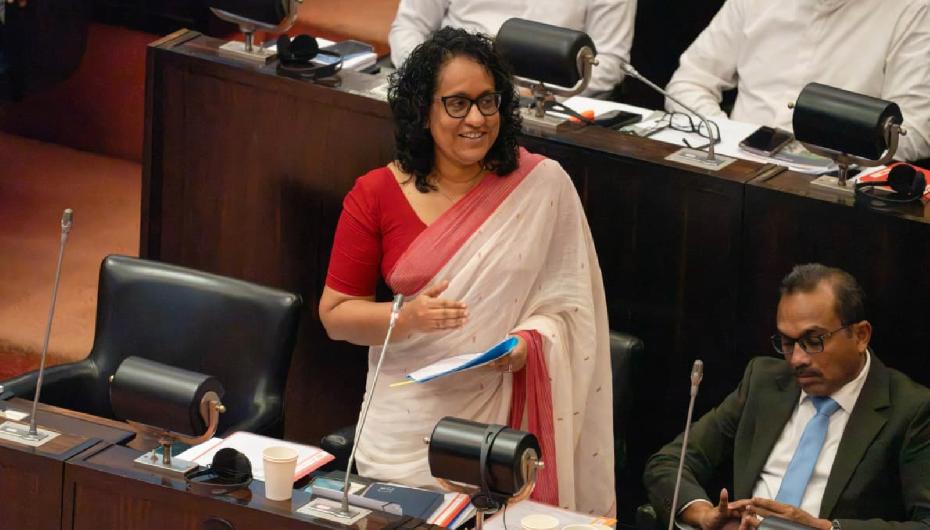
ஆரம்ப மற்றும் இரண்டாம் நிலைக் கல்வித் துறைகளில் மேற்கொள்ளப்பட்டு வரும் புதிய சீர்திருத்தங்களுக்கு ஏற்ப, உயர்கல்வித் துறையிலும் தேவையான மாற்றங்களை ஏற்படுத்துவதற்கு அரசாங்கம் திட்டமிட்டுள்ளதாகப் பிரதமர் கலாநிதி ஹரிணி அமரசூரிய மே மாதம் 06 ஆம் திகதி பாராளுமன்றத்தில் தெரிவித்தார்.

பாராளுமன்ற உறுப்பினர் மஞ்சுள சுகத் ரத்நாயக்க எழுப்பிய கேள்விகளுக்குப் பதிலளிக்கும் போதே பிரதமர் இதனைக் குறிப்பிட்டார்.

அங்கு தொடர்ந்து கருத்துத் தெரிவித்த பிரதமர்,

இதற்காக நியமிக்கப்பட்ட நிபுணத்துவ குழு கடந்த ஆறு மாத காலமாகத் தனது பணிகளை முன்னெடுத்து வருகின்றது. அந்த நிபுணத்துவ குழுவின் அறிக்கையை அடிப்படையாகக் கொண்டு, உயர்கல்வித் துறையில் நிலவும் பிரச்சினைகளை இனங்கண்டு தேவையான சீர்திருத்தங்கள் ஏற்படுத்தப்படும்.

2025 ஆம் ஆண்டு க.பொ.த. உயர்தரப் பரீட்சைக்குத் தோற்றிய மொத்த மாணவர்களின் எண்ணிக்கை 281,810 ஆகும். அவர்களில் 176,538 மாணவர்கள் பல்கலைக்கழகப் பிரவேசத்திற்குத் தகுதி பெற்றுள்ளனர். பாடத்துறைகளின் அடிப்படையில் தகுதி பெற்ற மாணவர்கள், உயிரியல் 32,935, பௌதிகவியல் 23,012, வர்த்தகம் 39,608, கலை 58,269, பொதுப் பாடத்துறை 4,199, பொறியியல் தொழில்நுட்பவியல் 12,472, உயிரியல் முறைமைகள் தொழில்நுட்பவியல் 6,043. இம்மாணவர்களில் 42,937 பேர் பல்கலைக்கழகங்களுக்கு இணைத்துக்கொள்ளப்படவுள்ளனர்.

கல்வியின் தரத்தைப் பாதுகாத்து, பல்கலைக்கழக மாணவர்களின் வசதிகளை மேம்படுத்துவதற்கு அரசாங்கம் முன்னுரிமை அளித்து வருகின்றது. கடந்த ஆண்டுகளைப் போன்றே இம்முறையும் முதலாம் பட்டப்படிப்புக்கான மாணவர் சேர்க்கை எண்ணிக்கையை மாற்றமின்றிப் பேணுவதற்குத் தீர்மானிக்கப்பட்டுள்ளது.

2025/2026 கல்வி ஆண்டு முதல் உருகுணை பல்கலைக்கழகத்தில் ’புவியியல் தகவல் கட்டமைப்பு’ பாடநெறியும், பேராதனைப் பல்கலைக்கழகத்தில் ’இலத்திரனியல் மற்றும் நுண்ணறிவு அமைப்புப் பொறியியல்’ பாடநெறியும் புதிதாக அறிமுகப்படுத்தப்பட்டுள்ளன. இந்த இரண்டு புதிய பாடநெறிகளுக்கும் தலா 50 மாணவர்கள் வீதம் இணைத்துக்கொள்ளப்படவுள்ளதுடன், இதற்கான குறைந்தபட்ச மதிப்பெண்கள் பற்றிய விபரங்கள் வெளியிடப்பட்டு, பதிவு செய்யப்பட்ட மாணவர் பெயர்ப்பட்டியல்களைப் பல்கலைக்கழகங்களுக்கு அனுப்பும் நடவடிக்கைகள் ஏற்கனவே பூர்த்தி செய்யப்பட்டுள்ளன.

முன்பள்ளிக் கல்வி குறித்து பாராளுமன்ற உறுப்பினர் கே. காதர் மஸ்தான் எழுப்பிய கேள்விக்குப் பதிலளித்த பிரதமர்,

நாட்டின் பெரும்பாலான முன்பள்ளிகள் தனியார் துறையினரால் நிர்வகிக்கப்படுவதால், அவர்களுக்கு நிரந்தர நியமனங்கள் அல்லது சம்பளம் வழங்குவதற்கு அமைச்சிற்குத் தற்போதைய நிலையில் சந்தர்ப்பம் இல்லை. எனினும், மாகாண சபைகளின் கீழ் உள்ள தெரிவு செய்யப்பட்ட முன்பள்ளிகளின் தொண்டர் ஆசிரியர்களுக்குக் கொடுப்பனவு ஒன்றை வழங்குவதற்கு ஏற்கனவே நடவடிக்கைகள் எடுக்கப்பட்டு வருகின்றன.

2027 ஆம் ஆண்டளவில் ஒட்டுமொத்த முன்பள்ளிக் கல்வி முறையையும் மாற்றியமைப்பதற்கான சீர்திருத்தங்களை மேற்கொள்வதற்குத் தேவையான நடவடிக்கைகளைக் கல்வி அமைச்சும், பெண்கள் மற்றும் சிறுவர் விவகார அமைச்சும் இணைந்து முன்னெடுத்து வருகின்றன.

இதற்கு மேலதிகமாக, தேசிய கல்வி ஆணைக்குழுவின் பரிந்துரையின் பேரில் முன்பள்ளிக் கல்வியை முறைப்படுத்துவதற்கான தேசியக் கொள்கையொன்று 2026 ஆம் ஆண்டில் நிறுவப்படவிருக்கின்றது. இதன் கீழ் ஆசிரியர் வழிகாட்டிகள் மற்றும் மாதிரிச் செயற்பாட்டுத் தொகுப்புகள் தயாரிக்கப்பட்டு, மாகாண மட்டத்தில் ஆசிரியர்களுக்கான பயிற்சித் திட்டங்களும் திட்டமிடப்பட்டுள்ளன எனக் கூறிய பிரதமர், தொண்டர் ஆசிரியர்கள் குறித்துக் கருத்துத் தெரிவிக்கையில், 2007.01.04 திகதிய அமைச்சரவைத் தீர்மானத்தின்படி, நிர்ணயிக்கப்பட்ட 4,700 ஆசிரியர் உதவியாளர்களைத் தவிர வேறு எந்தவொரு தொண்டர் ஆசிரியரையும் பணியில் அமர்த்துவதில்லை என எடுக்கப்பட்ட முடிவு தொடர்ந்தும் நடைமுறையில் இருக்கும் என்பதை வலியுறுத்தினார்.

பிரதமர் ஊடகப் பிரிவு

கொழும்பில் இடம்பெற்ற உயர்மட்ட வர்த்தக மாநாட்டினால் இலங்கை - மாலைதீவு பொருளாதார உறவுகள் மேலும் வலுவடைந்தன

கொழும்பு ஹில்டன் ஹோட்டலில் மே மாதம் 05 ஆம் திகதி நடைபெற்ற ’இலங்கை – மாலைதீவு வர்த்தக மாநாடு 2026’ (Maldives–Sri Lanka Business Forum 2026) நிகழ்வில் பிரதமர் கலாநிதி ஹரிணி அமரசூரிய கலந்துகொண்டார்.

மாலைதீவு குடியரசின் பொருளாதார அபிவிருத்தி, போக்குவரத்து மற்றும் வர்த்தக அமைச்சினால் உலகளாவிய ரீதியில் முன்னெடுக்கப்படும் மாநாடுகளின் வரிசையில் 10 ஆவது மாநாடாக இது அமைந்தது. இரு நாடுகளையும் சேர்ந்த அரச பிரதிநிதிகள், வர்த்தகத் தலைவர்கள் மற்றும் முதலீட்டாளர்களை ஒன்றிணைத்த இம்மாநாட்டில், பிரதான முதலீட்டு வாய்ப்புகள், கொள்கை ரீதியான ஊக்குவிப்புகள் மற்றும் வெளிநாட்டு முதலீடுகளை எளிதாக்கி நீண்டகால பொருளாதார வளர்ச்சியை எட்டுவதற்கான வழிமுறைகள் குறித்து விரிவாகக் கலந்துரையாடப்பட்டது.

இம்மாநாட்டின் போது, இலங்கைக்கும் மாலைதீவு குடியரசுக்கும் இடையிலான 60 ஆண்டுகால இராஜதந்திர உறவுகள் குறித்துக் கருத்துத் தெரிவித்த மாலைதீவு ஜனாதிபதி மேதகு கலாநிதி மொஹமட் முய்ஸு, பொருளாதார ஒத்துழைப்பு, புத்தாக்கம் மற்றும் மூலோபாயக் கூட்டுறவு ஆகியவற்றைப் பலப்படுத்துவதன் முக்கியத்துவத்தை வலியுறுத்தினார்.

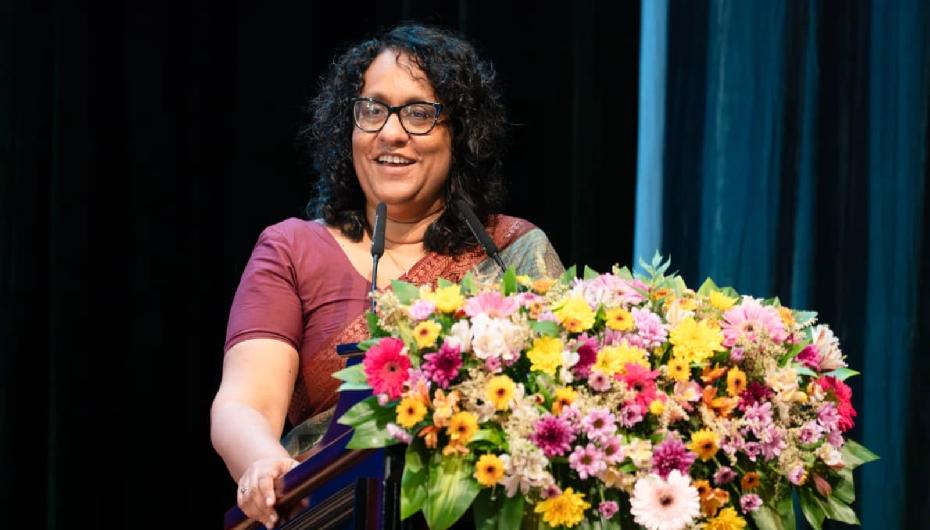
இங்கு விசேட உரை நிகழ்த்திய பிரதமர் கலாநிதி ஹரிணி அமரசூரிய, பொதுவான கலாசார மரபுகள், பரஸ்பர நம்பிக்கை மற்றும் நீண்டகால ஒத்துழைப்பு ஆகியவற்றில் வேரூன்றியுள்ள இலங்கை - மாலைதீவு இரு நாடுகளுக்கு இடையிலான ஆழமான நட்புறவு மற்றும் வலுவான இருதரப்பு உறவைச் சுட்டிக்காட்டினார்.

சுற்றுலா, வர்த்தகம், மீன்பிடி மற்றும் டிஜிட்டல் பொருளாதாரம் ஆகிய முக்கிய துறைகளில் இரு நாடுகளும் இணைந்து செயற்படுவதற்கான வாய்ப்புகள் குறித்து விளக்கிய பிரதமர், வர்த்தகம் மற்றும் முதலீட்டுத் துறைகளில் இலங்கையுடன் இணைந்து செயற்படுமாறு மாலைதீவு வர்த்தக சமூகத்தினருக்கு அழைப்பு விடுத்தார். இத்தகைய ஈடுபாடுகள் இரு நாடுகளுக்கும் இடையிலான உற்பத்தித்திறன் மிக்க, பரஸ்பர நலன் பயக்கக்கூடிய, நீண்டகால நம்பகமான நட்புறவைப் பேண வழிவகுக்கும் எனவும் குறிப்பிட்டார்.

இலங்கை - மாலைதீவு வர்த்தக மாநாடு 2026 ஆனது, இரு நாடுகளுக்கும் இடையில் வளர்ந்து வரும் பொருளாதார உறவுகளை உறுதிப்படுத்துவதுடன், நீண்டகால மற்றும் இருதரப்புக்கும் நன்மை பயக்கும் கூட்டுறவை வளர்ப்பதற்கான பொதுவான அர்ப்பணிப்பைப் பிரதிபலிக்கிறது.

இம்மாநாட்டில் இலங்கை மற்றும் மாலைதீவு நாடுகளைச் சேர்ந்த அமைச்சர்கள், சிரேஷ்ட அதிகாரிகள் மற்றும் தனியார் துறைப் பிரதிநிதிகள் எனப் பலரும் கலந்துகொண்டனர்.

பிரதமர் ஊடகப் பிரிவு

2026 ஆம் ஆண்டு முதலாம் தரத்திற்காக ஆரம்பிக்கப்பட்ட கல்விச் சீர்திருத்தங்கள் வெற்றியளித்துள்ளன, 2027 ஆம் ஆண்டில் 6 ஆம் தரத்திற்கான புதிய கல்விச் சீர்திருத்தங்கள் நடைமுறைப்படுத்தப்படும். - பிரதமர் கலாநிதி ஹரிணி அமரசூரிய

2026 ஆம் ஆண்டு முதலாம் தரத்திற்காக ஆரம்பிக்கப்பட்ட கல்விச் சீர்திருத்தங்கள் வெற்றிகரமாக முன்னெடுக்கப்பட்டு வருவதாகவும், ஆகையினால், 2027 ஆம் ஆண்டில் 6 ஆம் தரத்திற்கும் கல்விச் சீர்திருத்தங்கள் அறிமுகப்படுத்தப்படும் எனவும் பிரதமர் கலாநிதி ஹரிணி அமரசூரிய தெரிவித்தார்.

பாராளுமன்ற உறுப்பினர் சாமர சம்பத்தினால் புதிய கல்விச் சீர்திருத்தங்கள் குறித்து 05 ஆம் திகதி பாராளுமன்றத்தில் எழுப்பப்பட்ட கேள்விக்குப் பதிலளிக்கும் போதே பிரதமர் இதனைத் தெரிவித்தார்.

இங்கு மேலும் கருத்துத் தெரிவித்த பிரதமர்,

2025 ஆம் ஆண்டில் உயர்தரப் பரீட்சைக்குத் தோற்றிய விண்ணப்பதாரிகளின் எண்ணிக்கை இரண்டு இலட்சத்து இருபத்தோராயிரத்து நானூற்றுப் பதின்மூன்று ஆகும். இது முதலாம் தரத்தில் உள்வாங்கப்பட்ட மாணவர்களின் சதவீதத்தில் 65.29% ஆகும். 2022 க.பொ.த சாதாரண தரப் பரீட்சைக்கு 317,326 பேர் தோற்றினர், இது முதலாம் தரத்தில் உள்வாங்கப்பட்டவர்களின் சதவீத அடிப்படையில் 93.57% ஆகும். 2023 சாதாரண தரப் பரீட்சைக்கு 322,537 பேர் தோற்றினர், இது முதலாம் தரத்தில் உள்வாங்கப்பட்டவர்களின் சதவீதத்தில் 92.08% ஆகும். 2024 ஆம் ஆண்டில் சாதாரண தரப் பரீட்சைக்கு 322,704 பேர் தோற்றினர், இது முதலாம் தரத்தில் உள்வாங்கப்பட்டவர்களில் 95.15% ஆகும்.

2026 ஆம் ஆண்டு முதலாம் தரத்திற்காக அறிமுகப்படுத்தப்பட்ட கல்விச் சீர்திருத்தங்கள் வெற்றிகரமாக முன்னெடுக்கப்பட்டு வருகின்றன. ஆகையினால் 2027 ஆம் ஆண்டில் 6 ஆம் தரத்திற்கான புதிய கல்விச் சீர்திருத்தங்கள் நடைமுறைப்படுத்தப்படும். இதற்கான பாடவிதானக் குழுக்கள் நியமிக்கப்பட்டு, பாட மொடியூல்கள் மீளாய்வு செய்யப்பட்டுள்ளன. தேவையான மாற்றங்கள் குறித்து ஆலோசிக்கப்பட்டு அவை அனைத்தும் தற்போது பூர்த்தி செய்யப்பட்டுள்ளன. இந்த மாதத்திற்குள் அந்தப் பாட மொடியூல்கள் அச்சிடுவதற்கு நடவடிக்கை எடுக்கப்படும்.

அத்துடன், தேவையான ஆசிரியர் பயிற்சிகள் ஜூன் மாதத்தில் ஆரம்பிக்கப்படும், இதற்கான நிதி ஏற்கனவே ஒதுக்கப்பட்டுள்ளது. 2027 ஆம் ஆண்டு இரண்டாம் தரத்திற்கும் புதிய கல்விச் சீர்திருத்தங்கள் ஆரம்பிக்கப்படும் என்பதோடு, அதற்கான பாட மொடியூல்கள் அச்சிடும் பணி ஆரம்பிக்கப்பட்டுள்ளது.

அத்துடன், கல்விச் சீர்திருத்தப் பணிகளுக்காகத் தேசிய வழிகாட்டல் குழுவொன்றும் எம்மால் நியமிக்கப்பட்டுள்ளது. இந்தக் குழுவின் மேற்பார்வையின் கீழேயே இவை அனைத்தும் முன்னெடுக்கப்படுகின்றன. புதிய கல்விச் சீர்திருத்தங்கள் குறித்து ஆசிரியர்கள் மற்றும் பெற்றோர் மத்தியில் விழிப்புணர்வை ஏற்படுத்தும் வேலைத்திட்டங்கள் ஜூலை மற்றும் ஆகஸ்ட் மாதங்களில் ஆரம்பிக்கப்படும். இந்தக் கல்விச் சீர்திருத்தங்களுக்குத் தடையொன்று ஏற்படுமாயின், அது கல்விச் சீர்திருத்தங்கள் வேண்டாம் எனக் கூறுபவர்களாலோ அல்லது கல்விச் சீர்திருத்தங்களைக் குழப்பி அரசாங்கத்தை அசௌகரியத்திற்கு உள்ளாக்கும் நோக்கில் தலையிடுபவர்களாலோ மாத்திரமே ஏற்படக்கூடும். அத்தோடு இந்தச் சீர்திருத்தங்களுக்கு உலக வங்கியின் நிதியுதவி கிடைக்கவில்லை, என்றும் பிரதமர் குறிப்பிட்டார்.

பாராளுமன்ற உறுப்பினர் தயாசிறி ஜயசேகரவினால் தற்போதைய சபாநாயகர் தொடர்பில் எழுப்பப்பட்ட கேள்விக்குப் பதிலளித்த பிரதமர்,

தற்போதைய சபாநாயகரின் தனிப்பட்ட பணியாளர் தொகுதியின் எண்ணிக்கை 12; அங்கீகரிக்கப்பட்ட பணியாளர்களின் எண்ணிக்கை 20. தற்போதைய சபாநாயகர் தனது தனிப்பட்ட தேவைகளுக்குச் சபாநாயகருக்கான உத்தியோகபூர்வ இல்லத்தைப் பயன்படுத்துவதில்லை. உத்தியோகபூர்வ இல்லத்திற்காக 15 பணியாளர்கள் அங்கீகரிக்கப்பட்டுள்ள போதிலும், 8 பேர் மாத்திரமே கடமையாற்றுகின்றனர். அந்த உத்தியோகபூர்வ இல்லம் பெரியது என்பதால் அதன் பராமரிப்புப் பணிகளுக்காகப் பணியாளர்கள் தேவைப்படுகின்றனர். இராஜதந்திர நடவடிக்கைகளுக்குத் தேவைப்படும் போது மாத்திரமே சபாநாயகரின் உத்தியோகபூர்வ இல்லம் பயன்படுத்தப்படுகின்றது. ஜனாதிபதி அலுவலகம் மற்றும் அலரி மாளிகை ஆகியவையும் இவ்வாறான இராஜதந்திர நடவடிக்கைகளுக்காகப் பயன்படுத்தப்படுகின்றன.

அரச நிர்வாக, மாகாண சபைகள் மற்றும் உள்ளூராட்சி அமைச்சின் செயலாளரின் கையொப்பத்துடனான கடிதத்தின் மூலம், சபாநாயகர் பதவியை வகிக்கும் காலப்பகுதிக்கு மாத்திரம் கொழும்பில் அமைந்துள்ள அரச உத்தியோகபூர்வ இல்லமொன்று சபாநாயகருக்காக ஒதுக்கப்பட்டுள்ளது. அதன் வாடகையைச் சபாநாயகரின் மாதாந்தக் கொடுப்பனவிலிருந்து அறவிடுவதற்கு நடவடிக்கை எடுக்கப்பட்டுள்ளது. அத்தோடு, அந்த இல்லத்தின் நீர் மற்றும் மின்சாரக் கட்டணங்களைச் சபாநாயகரே செலுத்தி வருகிறார்.

அத்தோடு, சபாநாயகரின் பயன்பாட்டிற்காக 07 வாகனங்கள் ஒதுக்கப்பட்டிருக்கின்றன. எனினும், சபாநாயகர் 02 வாகனங்களை மாத்திரமே பயன்படுத்துகிறார். இதுவரை காலமும் சபாநாயகர் பதவியை வகித்தவர்களுக்கு மட்டுப்படுத்தப்படாத எரிபொருள் ஒதுக்கீடு வழங்கப்பட்ட போதிலும், தற்போதைய சபாநாயகர் அதனை மட்டுப்படுத்தி, அமைச்சரொருவருக்கு வழங்கப்படும் 900 லீட்டர் எரிபொருளை மாத்திரமே பயன்படுத்துகிறார்" எனப் பிரதமர் தெரிவித்தார்.

பிரதமர் ஊடகப் பிரிவு